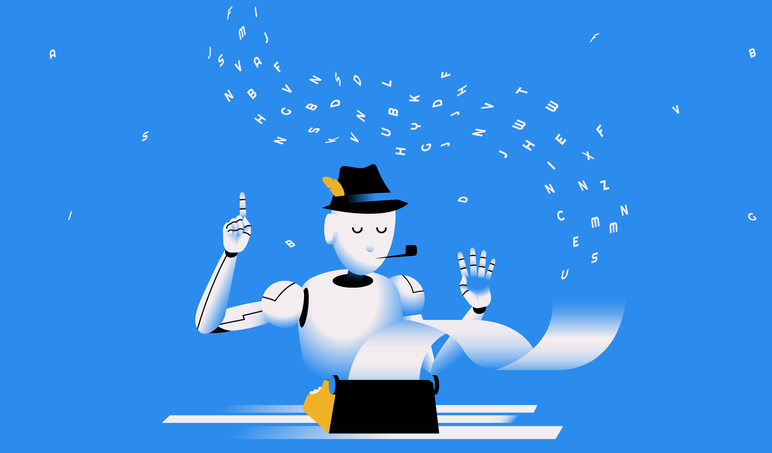
Generative artificial intelligence is making it easier for workers to sue their employers without hiring an attorney, forcing employers to mount costly defenses against cases that often get thrown out of court.
AI platforms such as ChatGPT and Claude have made it easier for individuals with little knowledge of the law to quickly draft complaints, opposition briefs, discovery requests and other court filings. That has lowered traditional barriers to filing a lawsuit, particularly the cost of hiring an attorney and the difficulty of navigating the legal system.
If an employee files a lawsuit, the employer must mount a defense and incur legal costs even if the lawsuit eventually fails. The trend means employers could face more lawsuits from employees who may be unable to afford an attorney.
The number of plaintiffs representing themselves — known as pro se litigants — has risen sharply. According to LexisNexis’ “Lex Machina 2026 Employment Litigation Report,” the number of unrepresented plaintiffs in federal employment cases more than doubled from 2,052 in 2021 to 4,388 in 2025. Their share of federal employment litigation increased from 9.7% to 16.5% during the same period.
Why employers should be concerned
In the past, an employee who could not find an attorney willing to take a discrimination, harassment or other employment claim might have abandoned the case.
AI is changing that calculation. A worker can describe a dispute to an AI platform and receive help producing documents that resemble professionally drafted legal filings.
The problem for employers is that a lawsuit does not have to succeed to be expensive. A company may still have to hire defense counsel to review allegations, check legal citations, respond to motions, participate in discovery and seek dismissal of the case.
AI-generated filings may also create additional work because they can be lengthy or include incorrect legal arguments and fabricated case citations that defense attorneys must identify and address.
Despite their increasing numbers, pro se plaintiffs have had limited success. Lex Machina reported that in federal employment cases decided on the merits from 2023 through 2025, pro se plaintiffs won fewer than 1% of their cases. Problems such as missing filing deadlines or failing to exhaust administrative remedies frequently contributed to unsuccessful cases.
Pro se employment cases also settle less frequently than cases in which plaintiffs have attorneys, which may mean employers have to defend them longer.
Courts push back on AI misuse
Judges are increasingly encountering AI-generated filings containing fabricated cases and other errors, and some are imposing sanctions.
In March 2026, for example, a federal judge in Illinois imposed a $1,500 sanction on a pro se plaintiff who submitted a 112-page opposition brief containing fabricated case citations. The court also dismissed the case.
In a separate Delaware employment case, a pro se plaintiff made dozens of filings, some of which defendants said contained nonexistent cases and quotations. The court ultimately ordered that the employer would not have to respond to future filings unless the court directed otherwise.
Reducing your exposure
Employers can reduce the risk of employment litigation by maintaining sound workplace practices. Consider the following steps:
- Keep discrimination, harassment, retaliation and complaint policies current and make sure employees understand them.
- Establish procedures for employees to report concerns about discrimination, disability accommodations, discipline or harassment and train supervisors on these procedures.
- Investigate complaints promptly and document the response.
- Apply workplace policies consistently to similarly situated employees.
- Document legitimate business reasons for disciplinary actions, terminations and other significant employment decisions.
Review your coverage
The growth of AI-assisted litigation also underscores the importance of employment practices liability insurance.
EPLI may cover certain claims alleging discrimination, harassment, wrongful termination, retaliation and other employment-related wrongdoing, depending on policy terms. Importantly, coverage may also help with legal defense expenses for covered claims.
If you have questions about this type of coverage, please give us a call.